

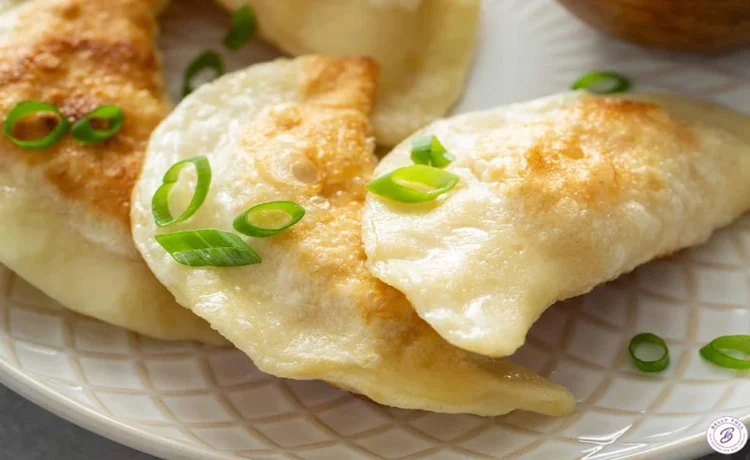
Full-size pierogies can work as a first course when you serve them at a place setting and keep their role modest. Choose one filling, provide utensils and avoid turning the starter into a complete second dinner. For a small celebration at home, the opening course should give guests something pleasant to share while leaving room for the meal that follows.
A seated starter offers a different experience from a tray of passing bites. People can put down their drinks, use a fork and take time with the filling. The food does not need to behave like finger food simply because it arrives before the main course. That distinction can make a full-size dumpling feel more comfortable to serve.
Keep the first course modest in scope
Write the main course into the plan before selecting the starter. If the dinner already includes a rich main dish, a generous collection of cheese toppings at the beginning may make the menu repetitive. If the main course is elaborate, a simple first plate can reduce the number of finishing tasks competing for your attention.
The starter needs a defined purpose. It might give everyone a chance to settle at the table, introduce a filling you enjoy or bridge the conversation while the rest of dinner is prepared. None of those purposes requires a sampler of every available variety. One clearly presented choice often communicates the idea more directly.
Consider the format before buying. Poppin’ Cheddar Bites are mini potato-and-cheddar dumplings, while Oh! So Cheesy offers that filling combination in a full-size form. A host comparing full-size and mini pierogies in Cleveland can use those descriptions to choose deliberately for a seated plate rather than automatically purchasing the smallest option for a starter.
Decide the amount from the actual product and the menu as a whole. There is no universal dumpling count that defines a first course. Consider guests’ appetites, the other food planned and how you intend to offer additional food if someone wants it. A restrained starter is about its relationship to dinner, not an arbitrary number copied from a photograph.
Give guests the utensils the dish needs
Set out the plate and utensils before the food is ready. A full-size dumpling may be easier to handle with a fork and knife, particularly if guests prefer smaller bites. Let people choose how to eat comfortably instead of presenting a dish in a way that obliges them to manage it with fingers and a napkin.
A plate with enough clear space is useful even for a modest serving. It gives guests somewhere to cut a dumpling or rest a utensil without pushing food over the rim. An unusually small decorative dish can look appealing in advance but become awkward once sauce or garnish joins the food.
Think about drinks and conversation too. If guests have just moved from another room, give them a moment to settle their glasses and belongings before serving. A seated opening course works best when everyone understands that this is the beginning of dinner, rather than another passing snack they must balance while standing.
Describe the filling as you bring the plates out. “Potato and cheddar” or “potato and onion” tells people more than a name they have not encountered before. Keep package information available for anyone who needs to check ingredients, and settle dietary questions before cooking rather than while a plate is already in front of a guest.
Choose a finish that does not dominate later courses
The filling should remain recognizable. A small amount of an appropriate accompaniment may be all you want: a modest garnish, a favorite condiment served separately or a plainly prepared vegetable element. Adding several sauces can make the first course busy while concealing the reason you selected that filling.
Look for repetition across the full menu. If the main dish already has a pronounced smoky flavor, a smoky topping on the starter may feel unnecessary. If dessert will be especially rich, that does not dictate every earlier decision, but it can help you see why the opening plate need not contain every indulgent element at once.
Choose additions you can manage without borrowing equipment from the next course at the wrong moment. A garnish that requires a pan just when the main dish needs it creates a scheduling problem disproportionate to its role. A simpler finish may make the dinner easier to serve while preserving the flavor you wanted.
Preparation should follow the purchased package. Holy Perogy’s dumplings are frozen and uncooked, so do not treat the first course as a matter of merely warming a ready-to-eat product. Review the directions before setting the serving sequence and resist making a universal timing promise to yourself or your guests.
Allow a natural pause before the main meal
The transition between courses is part of the evening. Clear starter plates when guests have finished, make space for the main meal and allow conversation to continue. A short pause can feel deliberate when you are not simultaneously trying to relocate a crowded assortment of bowls and condiments.
Keep the next course’s requirements in view while planning that pause. You should know which tasks remain and which can be completed before guests arrive. If serving a starter would leave the main dish unattended inappropriately or require you to rush between incompatible jobs, simplify the menu before the day of the gathering.
For a celebration, the starter does not need to announce its importance through a large portion or elaborate presentation. Its value may be the moment it creates: everyone seated, the filling introduced and dinner underway. Let the main course carry its own flavors when it arrives, rather than asking the opening plate to preview all of them.

