December weddings can be elegant without borrowing every familiar holiday motif. The season offers subtler sources of inspiration. This guide looks at the decisions that make the experience practical, distinctive and enjoyable for international couples and their guests. Rather than offering a fixed formula, it considers the trade-offs that matter when planning in Umbria and elsewhere in Italy. The aim is to make choices based on the real setting, the season and the people attending.
A practical question worth asking
Ask the venue team how the property operates on a cold or wet day, not only how it looks in promotional winter photographs. Practical questions about heating, covered routes and staffing reveal whether the experience is truly designed for the season.
Think beyond festive decoration
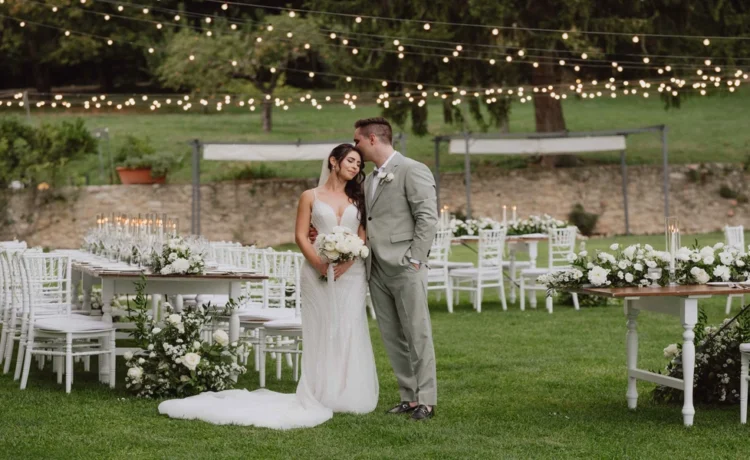
December does not require a wedding to resemble a holiday party. The season can inspire a restrained palette, textured fabrics and intimate lighting without relying on familiar red-and-green themes. In Umbria, stone interiors and countryside views provide character of their own. Begin with the venue’s architecture and the couple’s preferences, then add only details that strengthen the mood. The result can feel seasonal while remaining personal.
Winter also changes how guests pack and travel. A short note about footwear, outerwear and indoor temperatures can prevent discomfort without becoming prescriptive. Consider the needs of anyone arriving after dark and make arrival instructions particularly clear.
Plan around the calendar
December travel may be affected by holidays, reduced schedules and higher demand on particular dates. Confirm supplier availability early, especially for transport and accommodation. Guests travelling internationally need practical information about airports, train connections and realistic arrival times. A wedding close to a public holiday may also compete with family commitments, so communicate the date well in advance and avoid assumptions about who can travel.
Create a welcoming indoor rhythm
A successful winter schedule might begin with an afternoon ceremony, continue with drinks in a comfortable room and move to dinner without long outdoor transitions. Guests appreciate somewhere to leave coats and a chance to sit down between events. Ask how the venue manages ventilation and heating when rooms are full. Music, conversation and lighting can create warmth more effectively than an elaborate decorative concept.
Use the winter table as inspiration
Seasonal menus can celebrate local produce, handmade pasta, slow-cooked dishes and thoughtful desserts. The specific ingredients should be selected with the chef rather than copied from a generic winter menu. Offer lighter choices alongside richer food and make dietary requests part of the planning conversation. Wine can complement the meal, but non-alcoholic drinks should be treated with equal care, especially for guests travelling or driving.
Keep photographs and logistics realistic
December light is brief, and rain or fog may alter outdoor plans. Ask the photographer to scout indoor portrait spots and discuss whether group photographs should happen before sunset. For couples seeking ideas, discover winter wedding experiences and use them as a prompt for questions about indoor facilities. A good contingency plan should be comfortable enough that no one feels disappointed if the weather changes.
Final thoughts
A December wedding succeeds when it embraces the season rather than trying to disguise it. Thoughtful timing, clear travel information and inviting interiors make the celebration feel intentional. The most memorable details will usually be the welcome guests receive and the time they spend together.
A final planning note: request written confirmation of the arrangements that matter most, including the guest count, timing, weather alternatives and responsibilities of each supplier. Couples planning from abroad should allow additional time for questions and revisions. A clear, realistic agreement is a better foundation for a memorable event than any promise that everything will simply work out on the day.
One last consideration is how decisions will be communicated once the booking is confirmed. A concise schedule, a named contact for guests and written supplier responsibilities can prevent small misunderstandings from becoming problems. Ask for final details early enough to correct them, but avoid sending visitors a flood of updates. The strongest destination celebrations combine an unmistakable sense of place with clear information and flexibility. This practical balance gives the couple more freedom to enjoy the occasion and helps guests feel confident from arrival to departure.